

- Document
Assessing Green Infrastructure Elements in the Visegrad Countries
30% of significantly and moderately fragmented area, 22% of mammals in the danger of extinction and only 17% of favourable conservations status of habitats and species within the Natura 2000 network1 - these are some of the sheer numbers that show that the EU’s biodiversity is in extreme danger.
- Guidance
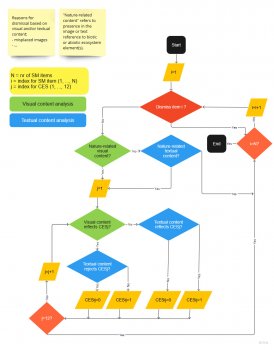
Standard Protocol for the Classification of Cultural Ecosystem Services through Social Media data
Collectively designed standard protocol for coding CES from crowdsourced data. It includes the following files and a video tutorial to facilitate its implementation by other researchers: - Protocol.doc: a document with the general instructions on the procedure for coding; - Annex 1. CES coding.

- Dataset
- Image
- Video
- Web platform
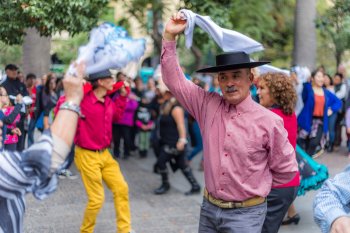
GoGreenRoutes digital media library
Oppla created a digital media library which holds images and videos reflecting each of the Cultivating Cities and the outputs and interventions of the GoGreenRoutes project. The database is available to the Cultivating Cities to use for promotion of GoGreenRoutes activities, particularly digital
- Document
- Paper
- Product
T2.3a Report: Academic paper on NBT within future planning and management of cities
The report presents the development of Nature Based Thinking (NBT) with an emphasis of future planning within cities through a reflective process that was led by SLU, UdL, USFD and TUM in Task 2.3 and resulted in the joint writing of a paper entitled: “Supporting Nature-based Solutions via Nature
- Empty

- Document
- Paper
- Report
- Slides
Barriers and Enablers for Scaling NbS to the Landscape Level [Socio-Ecological Resilience: ‘Weaving’ to scale Nature-based Solutions (Master Thesis)]
Thus far, little research has been conducted on barriers and enablers for scaling NbS to the landscape level. In collaboration with the Bioregional Weaving Labs collective (aiming to restore, protect, and regenerate at least one million hectares of Europe’s land and sea by 2030), a student research
- Policy Brief
Nature-based Solutions for Urban and Regional Water Resilience: What to do with too much (dirty) water
This policy brief explores the opportunities and challenges in the integration of Nature-based Solutions (NbS) into urban and regional water resilience planning. The brief draws from research, policy, and good practice from the wider NbS community, and presents recommendations to enhance the
- Policy Brief
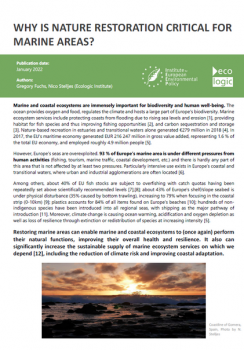
Why is Nature Restoration Critical for Marine Areas?
The EU Commission published its proposal for a new Nature Restoration Regulation in June 2022. In this context, Ecologic Institute and IEEP – as part of the Think Sustainable Europe network – published a series of thematic policy briefs to inform Members of the European Parliament and other

- Paper
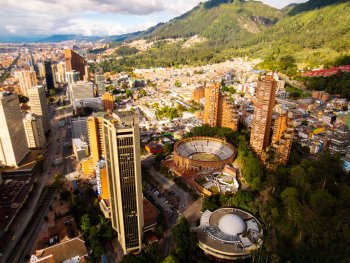
Green Infrastructure Planning Principles: An Integrated Literature Review
Green infrastructure is a strategically planned network of natural and semi-natural areas, including green and blue spaces and other ecosystems, designed and managed to deliver a wide range of ecosystem services at various scales. Apart from the ecological functions, green infrastructure, as a
- Document
D5.1: Report on comparative analysis of economic valuation models
Findings are presented from an investigation of nature-based solutions (NBS) research and case studies examining how projects address ‘co-benefits’, and particularly, their coverage of economic impacts.
- Event
- Training
proGIreg MOOC: Nature-based Urban Regeneration
Cities around the world are seeking new, greener ways to transform their former industrial districts. These urban regeneration areas suffer from social and economic inequalities, lack quality green spaces and are significantly more vulnerable to climate change effects and natural hazards. Nature-
- Infographic
Ten research findings about Nature-Based Enterprises
The first results from the Connecting Nature research survey of nature-based enterprises!
- Video
PHUSICOS: Unstable till slope at Santa Elena
The slope at Santa Elena has been pointed out as one of the high-risk locations along road A-136, which is an important route between Spain and France (road RD-934 in France). The problem is erosion and instability in a steep slope, cut in a thick till deposit. This is an end moraine formed by the
- Policy Brief
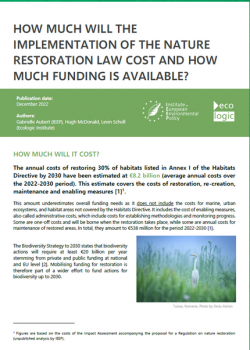
How Much Will the Implementation of the Nature Restoration Law Cost and How Much Funding is Available?
The EU Commission published its proposal for a new Nature Restoration Regulation in June 2022. In this context, IEEP and Ecologic Institute – as part of the Think Sustainable Europe network – published a series of thematic policy briefs to inform Members of the European Parliament and other
- Report
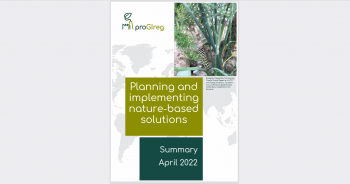
Planning and implementing nature-based solutions - summary
This report is a summary of the proGIreg project's efforts in planning and implementing nature-based solutions, the summary is derived from in-depth reports linked to the end of each chapter. Explore the reports to learn more!

- Document
Nature In All Goals
Nature is essential to achieving all the Sustainable Development Goals. It provides us with vital resources such as food, air, water, and energy. In addition, nature can be harnessed to create solutions to the challenges set out in the SDGs, solutions that are positive for social, economic,
- Document
Enhancing Additionality Assessment of Carbon Credit of Various Interventions by Utilizing Site-Specific Historical Data in Compliance with IPCC International Standards
In carbon credit additionality projects, precise quantification methods are crucial to prevent incorrect estimations. The project activities and results demonstrated that active forest management generates additionality and, consequently, carbon credits.
- Document
ZÖLD-KÉK INFRASTRUKTÚRA: Zöldinfrastruktúra-hálózat fejlesztés
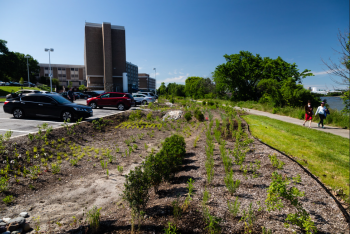
A Földművelésügyi Minisztérium megbízásából készült 2 kötetes, részletes összefoglaló a zöldinfrastruktúráról. A szöveg rámutat, hogy a zöldinfrastruktúra fogalma nem egységes, intézményenként, szabályozó szervenként, országonként eltér. Az anyag tematikusan részletezi a vonatkozó nemzetközi és
- Document
The URBES project - European URban Biodiversity and Ecosystem Services
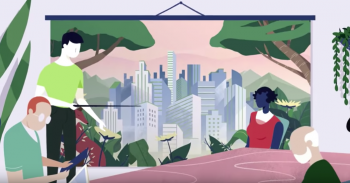
This animated movie entitled “What’s the role of nature? Scientists at the URBES project inspire sustainable urban planning for people and nature” shows the results of the ‘Urban Biodiversity and Ecosystem Services’ (URBES) research project funded by BiodivERsA. It presents the key research
- Empty
Seedbed Intervention: Tallinn
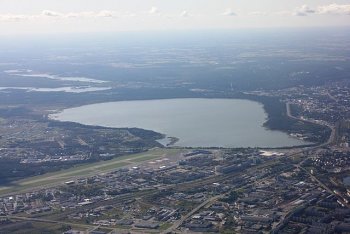
The City of Tallinn’s seedbed intervention took place on the 10th September 2022 at Vormsi park’s green area in Lasnamäe district. There were guided walks organised in two languages - Estonian and Russian, in order to engage residents with different nationalities. Both walks were guided by two
- ‹ previous
- 4 of 20
- next ›