- Video
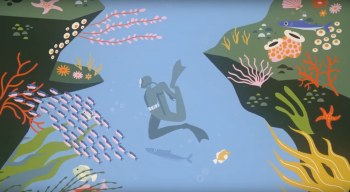
The BUFFER project - how research allowed classifying Marine Protected Areas for better clarity in the sustainable use of natural resources and conservation of biodiversity
The BUFFER project has been awarded the second edition of the BiodivERsA Prize for Excellence and Impact, highlighting its excellent achievements in terms of advancing science and practice of biodiversity and ecosystem services. The project was funded under the 2011-12 BiodivERsA joint call on “
- Document
Overview of policy instruments enabling restorative nature-based solutions with business case examples (D3.6)
Small and medium sized cities in Europe and Latin America share a common challenge in implementing nature-based solutions (NBS). Most land is in private hands. In addition smaller cities are not early adopters of NBS and may be too small to grow a market for private providers of NBS. This begs the
- Document
Making Ecosystem-based Adaptation Effective: A Framework for Defining Qualification Criteria and Quality Standards
Many organizations, including members of the Friends of EbA network (FEBA)11 have gained both conceptual and practical experience in designing and implementing EbA measures in various regions, ecosystems, and levels of governance. These experiences provide a rich source of
- Document
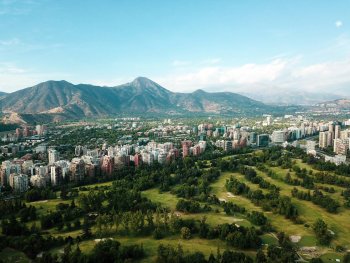
CONEXUS Policy Brief 7 - Integrating Nature-Based Solutions in Planning Instruments
The Regional Government of Santiago (RGS) aims to incorporate ecological planning criteria into its planning instruments and strategies, fostering a more resilient and equitable city-region. This policy brief outlines the city’s learning-by-doing approach, presenting three pilot projects of Nature-
- Document
- Guidance
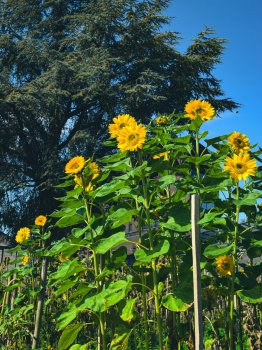
CONEXUS key learning factsheet series - Cost-benefit analysis (CBA) for valuing NbS in CONEXUS pilot projects
This factsheet summarizes the results of a Cost-Benefit Analysis (CBA) undertaken to evaluate the Social Return on Investment (SRI) through the Net Present Value (NPV) and Internal Rate of Return (IRR) of three CONEXUS pilot projects: the Urban Allotment Network (Barcelona, Spain), Francia Street
- Document
Efficient Sampling Methodology for Calculating Soil Carbon Credits.
Sustainable Forest Management enhances carbon storage in various forest compartments (soil, biomass, and necromass), increases ecosystem services and forest productivity, mitigates climate change, and supports the local rural economy.
- Dataset
- Document
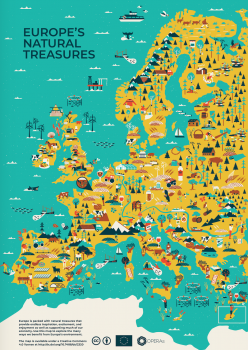
Europe’s Natural Treasures – an illustrated ecosystem services map
Europe is full of natural treasures that provide endless inspiration, excitement, and enjoyment as well as supporting much of our economy. These benefits we get from nature sometimes referred to as ecosystem services, that are provided by Europe's natural capital. This map provides a rich
- Document
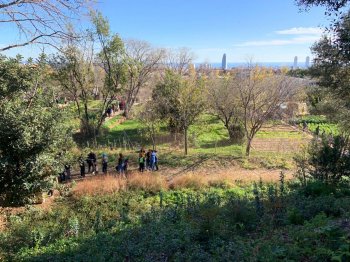
Conexus key learning factsheet series - Reflections for establishing Urban Life-Labs for governance of Nature-based Solutions
This factsheet presents the key learnings and strategies from the establishment processes of seven Urban Life-Labs located in seven major cities across Latin America: São Paulo, Bogotá, Santiago, and Buenos Aires; and across Europe: Lisbon, Barcelona, and Turin. Each Urban Life-Lab represents
- Document
- Guidance
Activity Report 2019: Spanish network of cities for climate
This Activity Report sets out the actions carried out by the Spanish Network of Cities for Climate during 2019 and the first quarter of 2020, according to the work plan set out in the Resolution on the grant under article 22.2.C) of the General Subsidies Law between the Ministry for
- Document
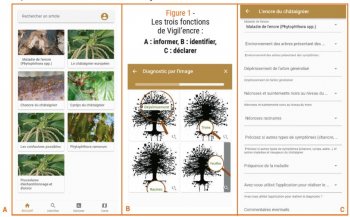
Marteloscope
A practical tool for training in silvicultural management of chestnut, oak and beech stands located in Corrèze
- Policy Brief
Why is nature restoration critical for climate adaptation in the EU?
Nature restoration is critical for reducing climate change-related risks by reducing human exposure to climate related hazards and the vulnerability of ecosystems and biodiversity to the impacts of these hazards. In addition, it helps build capacity to adapt to these impacts and can in some cases
- Video
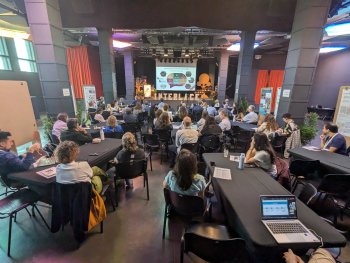
INTERLACE final conference videos
Plenary sessions from the INTERLACE Final Conference: Reimagining Urban Spaces: Nature-Based Solutions for Inclusive Transformations in Europe and Latin America. 1st October 2024, Granollers, Catalonia, Spain.

- Report
Urban GreenUp info-pack: New strategy for Renaturing Cities through Nature Based Solutions
This guide presents an integrated methodology for the development of Renaturing Urban Plans (RUP). The goal is to help cities worldwide to increase environmental sustainability and to address climate, social and economic challenges via the local implementation of Nature-based solutions (NBSs).
- Document
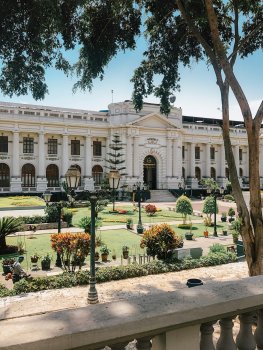
CONEXUS Policy Brief 4 - Nature-based strategies to improve livability and enhance ecosystems in vulnerable areas
Many Latin American cities face similar sustainability challenges due to informal urban expansion processes in environmentally vulnerable areas, resulting in increased social and ecological vulnerabilities. This policy brief presents the experience of the Independencia Green Belt in Lima, Peru. It

- Paper
TELEPÜLÉSI KLÍMAADAPTÁCIÓ: Útmutató a klímaváltozáshoz való alkalmazkodáshoz
A Berlin-Budapest klímaadaptációs projekt keretén belül elkészült útmutató, amely az önkormányzatokat támogatja az ember által okozott éghajlatváltozáshoz való alkalmazkodást lokálisan. A szöveg rávilágít arra, hogy helyi szinten is mennyire fontos a stratégia tervezés ahhoz, hogy egy település
- Dataset
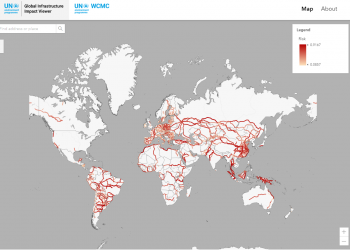
Global Infrastructure Impact Viewer
A tool for visualising the first global database of planned road and railway infrastructure, and the risks and benefits it may pose to people and the natural world. Change the filters below to explore the data, and click on a country or project on the map for further details.
- Document
- Guidance
IUCN Global Standard for NbS
Nature-based Solutions (NbS) are a powerful ally to address societal challenges, such as climate change, biodiversity loss and food security. As the world strives to emerge from the current pandemic and move towards the UN Sustainable Development Goals, it is imperative that future investments in
- Empty
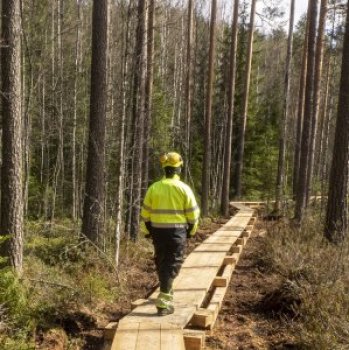
Seedbed Intervention: Lahti
The City of Lahti’s seedbed intervention took place at the Lahti health forest (pilot area).There are discussions on connecting the pilot area with the nearby Likolampi route to increase the positive impacts on health and wellbeing. The nature reserve of Kintterö is located on the western side of
- Video
The vital role of Nature-based Solutions in a nature positive economy
The Working Group on the Nature-Based Economy of Taskforce 3 produced this short video to highlight the main recommendations of the EC Expert Publication "The Vital Role of Nature-based Solutions in a Nature-Positive Economy". Watch the video and check out the report, which is a first

- Document
ClairCity Educational resources
As an educator you are acutely aware that not only are young people our future, they are also one of the groups that are most at risk from air pollution and climate change. Use the resources to inspire young people into action so we can all benefit from a future with clean air!
- ‹ previous
- 11 of 20
- next ›